A kitchen design appointment is an exciting step towards creating a space that works beautifully for your home and your lifestyle. Whether you are planning a complete kitchen renovation or simply replacing an outdated kitchen, your initial design consultation is an opportunity to turn your ideas into a practical, personalised design.
Knowing how to prepare for your kitchen design appointment can make the process easier and more productive. From thinking about how you use your kitchen to gathering inspiration and understanding your budget, a little preparation can help our designer create a kitchen that feels right for you.
In this guide, we explain what to expect from a kitchen design appointment and how to prepare so you can make the most of your consultation.
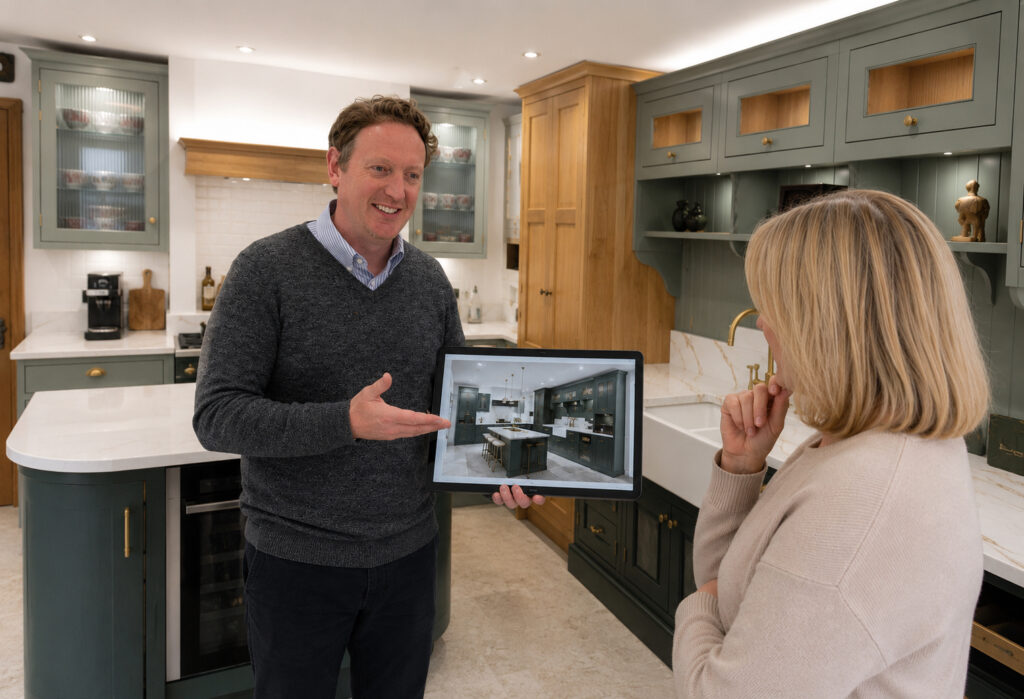
What Happens at a Kitchen Design Appointment?
Your kitchen design appointment is usually the beginning of a conversation rather than a final design meeting. Your designer will want to understand your home, your taste, your priorities and the way you use your kitchen before recommending specific layouts, finishes and features.
You can expect to talk about the size and shape of your room, how many people use the kitchen, how you cook, how much storage you need and what you would like to change about your existing space. This is also the time to discuss your preferred kitchen style, appliances, worktops, cabinetry and any particular features you have always wanted.
Our kitchen designer will ask questions that you may not have considered yourself. These conversations can uncover practical details that have a significant impact on the final kitchen design.
Think About How You Use Your Kitchen
Before your appointment, spend some time thinking about your current kitchen. Consider what works well and, perhaps more importantly, what frustrates you.
You might find that you need more storage, a larger preparation area, better lighting or a more practical position for your appliances. Perhaps your current kitchen feels cramped when several people are using it, or you would like to create a more sociable space where family and friends can sit together.
Think about your everyday routines as well as the occasions when you use your kitchen differently. A kitchen designed around how you actually live is much more likely to remain functional and enjoyable for years to come.
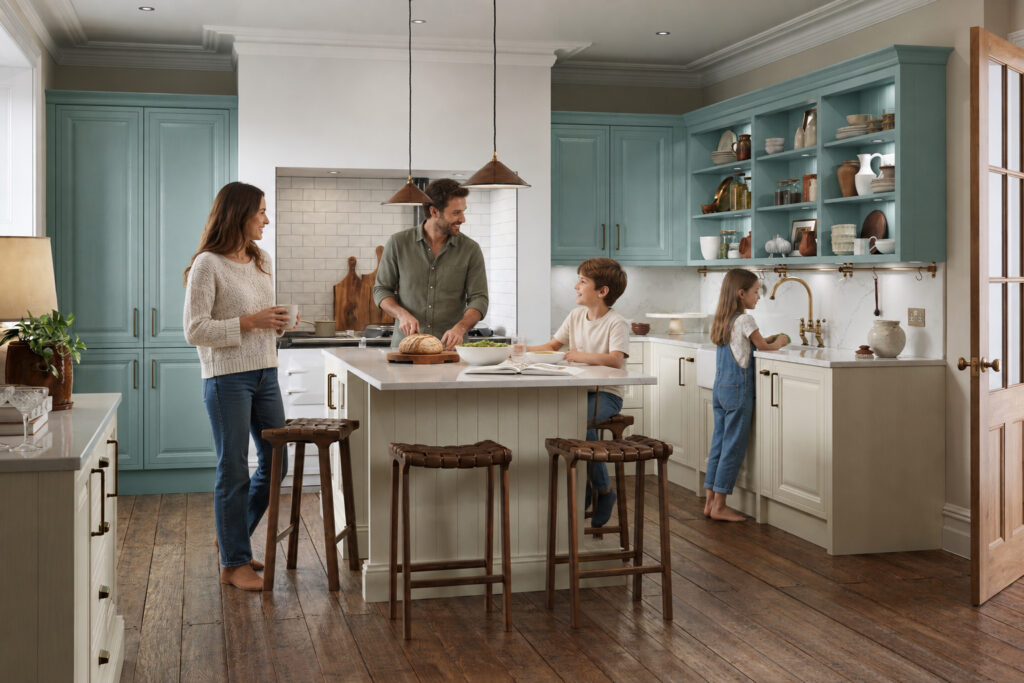
Gather Kitchen Design Inspiration
It can be helpful to collect images of kitchens that appeal to you before your kitchen design consultation. Inspiration can come from interior design magazines, websites, social media, showrooms or kitchens you have seen while visiting friends and family.
You do not need to know exactly what you want. In fact, showing your designer a mixture of styles can be useful because it helps them understand what you are naturally drawn to.
Pay attention to more than just the overall appearance. Look at cabinet colours, door styles, worktops, handles, splashbacks, lighting and flooring. You may discover that you consistently prefer certain materials or design details.
Your designer can then use these preferences as a starting point and help translate them into a cohesive kitchen design.
Be Open About Your Budget
Discussing your kitchen budget early can make the design process much more straightforward. Our designer needs to understand the level of investment you are comfortable making so they can recommend suitable products, materials and solutions.
A kitchen project can include much more than cabinetry. Appliances, worktops, flooring, lighting, electrical work, plumbing, installation and other building work can all affect the overall cost.
Being transparent about your budget allows our designer to prioritise the areas that matter most to you. It also helps prevent you from developing a design around features or finishes that are ultimately outside your budget.
Consider Your Appliances
Your appliances can have a major influence on your kitchen layout, so it is worth thinking about them before your appointment.
Consider whether you want to keep your existing appliances or replace them as part of the renovation. Think about the type and size of oven, hob, fridge, freezer and dishwasher you would prefer, along with any additional appliances such as a wine cooler, coffee machine or boiling-water tap.
If you already have specific appliances in mind, take their dimensions or product information with you. Our kitchen designer can use these details when considering the available space.
Bring Your Room Measurements and Plans
If you have architectural drawings, floor plans or measurements of your kitchen, bring them along to your appointment. Photographs of the existing room can also be extremely useful.
Details such as the position of doors, windows, radiators, plumbing connections and electrical points can all influence the design. If you are unsure about measurements, do not worry. Your kitchen designer can advise you on what information is needed and whether a professional site survey should be carried out.
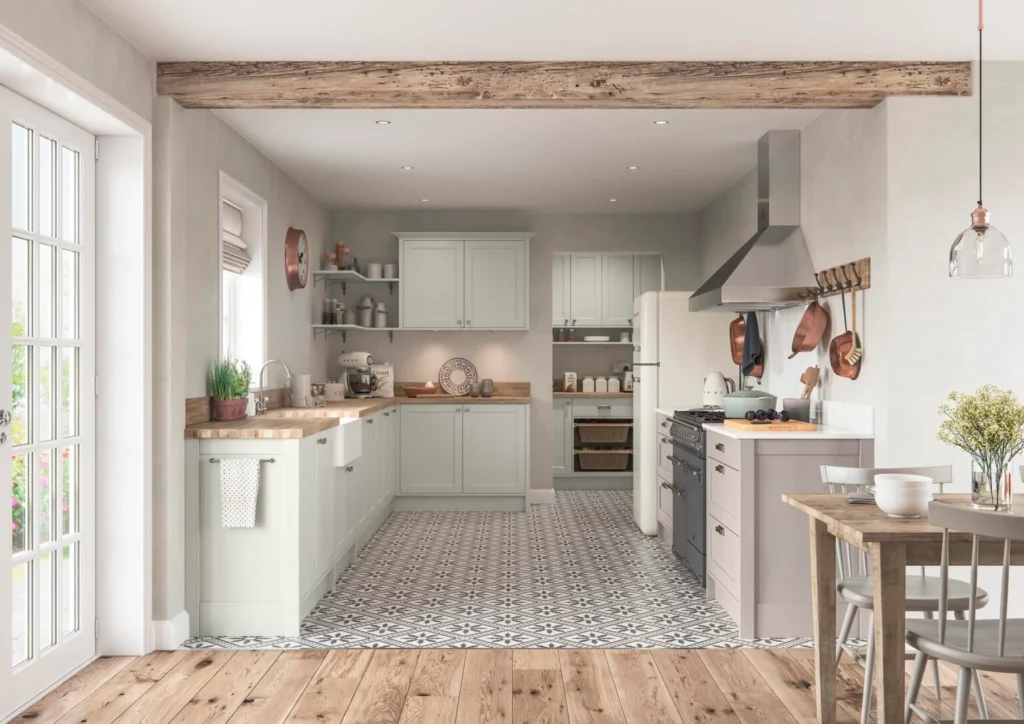
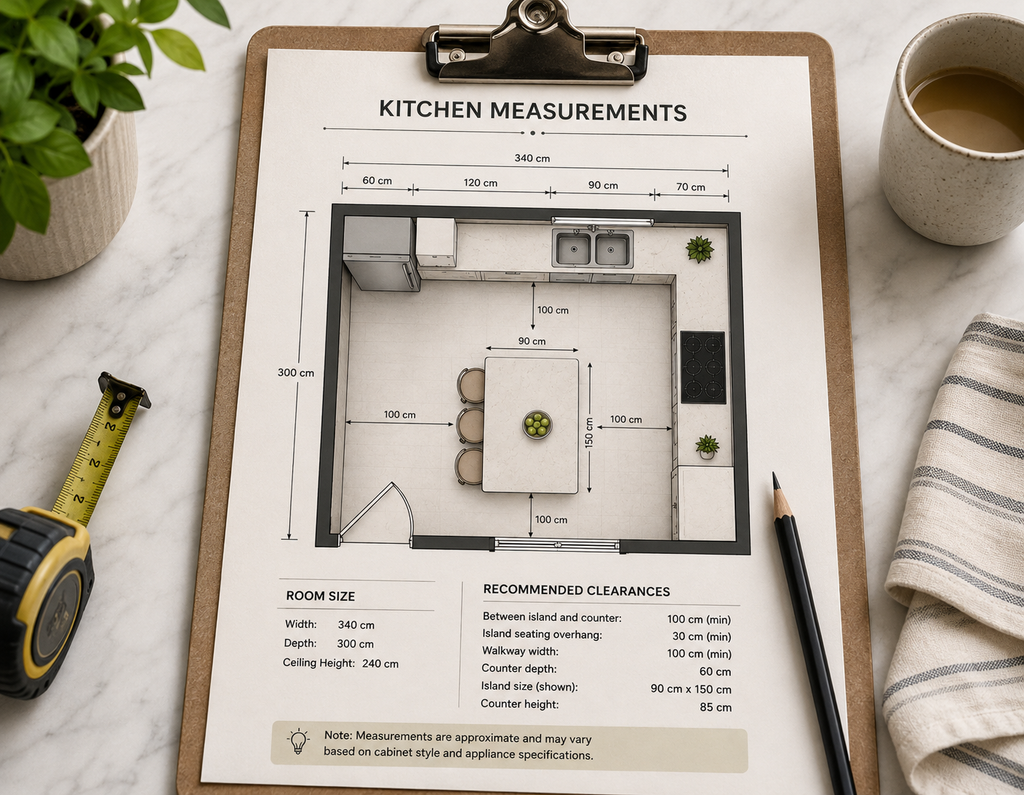
The more accurate the information available at the start, the easier it is to develop a realistic kitchen layout.
Think About Storage
Storage is one of the most important elements of a successful kitchen design, yet it is often overlooked until later in the process.
Before your appointment, consider everything you currently store in your kitchen and anything you would like to have room for in the future. Think about cookware, crockery, food, small appliances, recycling, cleaning products and larger items.
If your current kitchen has storage problems, explain them to your designer. Modern kitchen design can incorporate clever solutions such as deep drawers, tall units, pull-out storage and dedicated spaces for appliances.
The goal is not simply to create more cupboards. It is to create storage that is easy to access and works naturally with the way you use the room.
Read our blog about kitchen pull-out storage and discover clever ways to maximise space, keep your kitchen organised, and make everyday essentials easier to access.
Consider the Overall Style of Your Home
Your new kitchen does not have to match the rest of your home exactly, but considering the wider interior can help create a cohesive result.
Think about the architectural character of your property as well as your existing furniture, flooring and colour palette. A traditional property might suit a more classic kitchen style, while a contemporary open-plan home may lend itself to streamlined cabinetry and modern materials.
That said, there are no strict rules. Your kitchen should ultimately reflect your personal taste and how you want your home to feel.
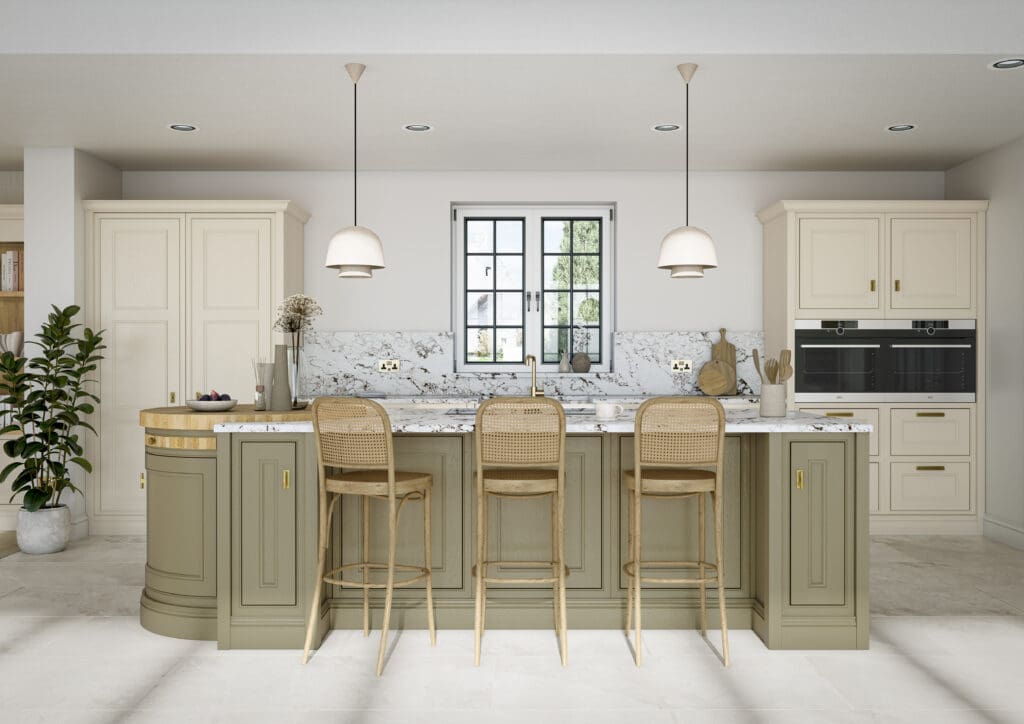
Prepare Questions for Your Kitchen Designer
Your appointment is also an opportunity to ask questions. You may want to understand how long the design and installation process could take, what is included in the service and how the different stages of the project work.
You can also ask about materials, worktops, appliances, installation and aftercare. If you are considering structural changes, such as removing a wall or creating an open-plan kitchen, mention this during your consultation so it can be considered from the beginning.
Do not worry if you do not know the technical terminology. Our kitchen designer will be able to explain your options clearly and help you make informed decisions.
What You Can Expect After the Appointment
Following your kitchen design appointment, our designer will typically use the information gathered during the consultation to develop ideas for your space. Depending on the design and stage of the project, this could include floor plans, elevations, 3D visuals, material selections and an estimated quotation.
The first design is not necessarily the final design. Kitchen design is often a collaborative process, and your feedback helps refine the layout, finishes and details until the proposed kitchen feels right for your home.
Take time to consider how the design works from both a practical and visual perspective. A beautiful kitchen needs to function just as well as it looks.
Make Your Kitchen Design Appointment Count
The best kitchen design appointments are conversations. You do not need to arrive with every decision made or have a perfect vision of your dream kitchen.
Instead, come prepared to explain how you live, what you like, what you dislike about your current kitchen and what you would like your new space to achieve. Bring inspiration, photographs, plans and any useful information you already have, but remain open to professional advice.
Our kitchen designer can then combine your ideas with their experience to create a space that is practical, stylish and tailored to your home.
A little preparation before your kitchen design appointment can make the entire process feel more confident and enjoyable. With the right conversation at the beginning, you can take an important step towards creating a kitchen that looks beautiful and works effortlessly for everyday life.
Visit Us Today
You’re welcome to drop in during the week or a Saturday. We offer a relaxed environment and honest advice no pressure, just great kitchens and expert support.
Address: 1 Regent St, Stonehouse, GL10 2AA
Phone: 01483 828866
Email: [email protected]
Appointments: Book Appointment